Hürtgen Wald
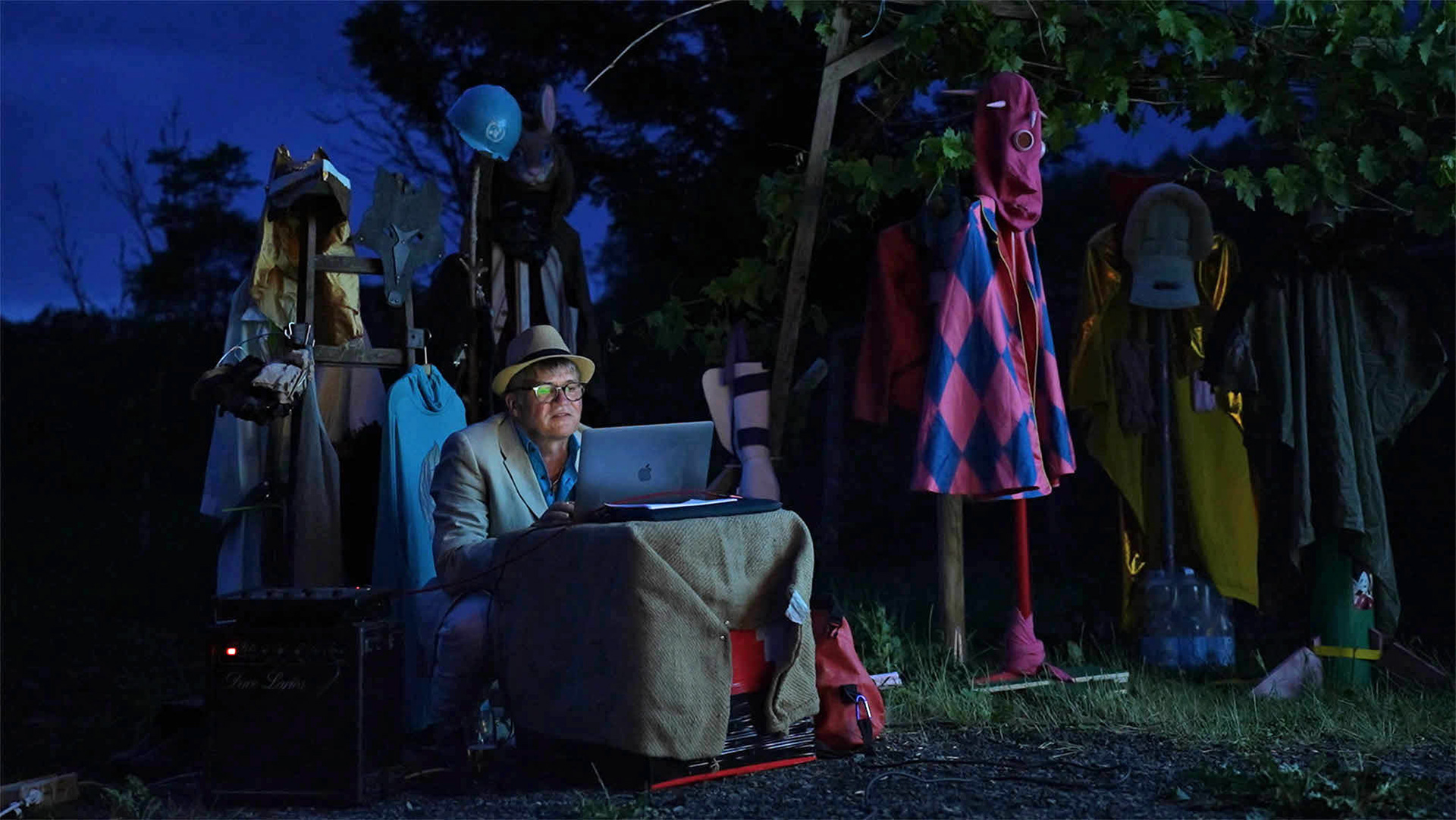
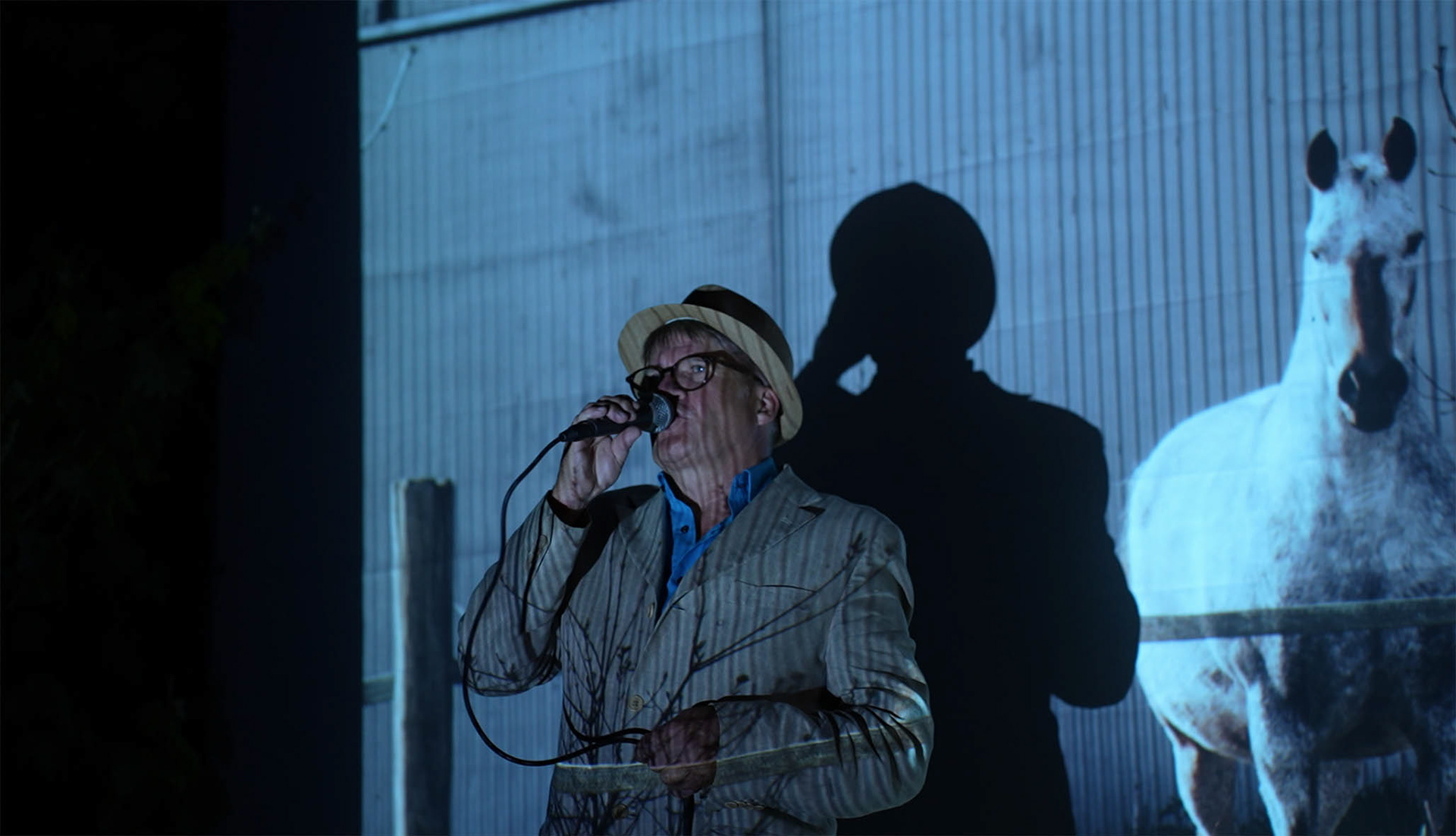
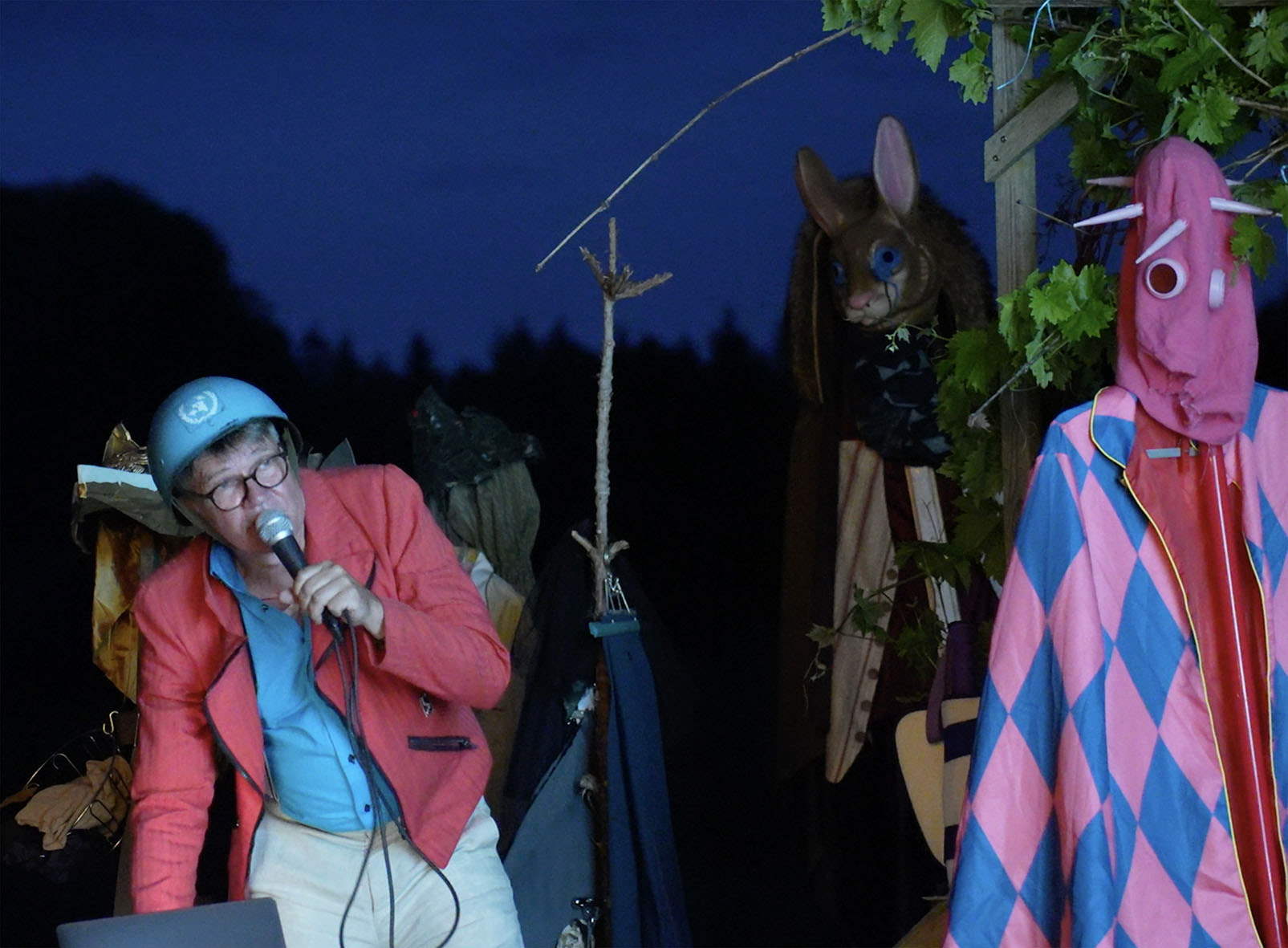
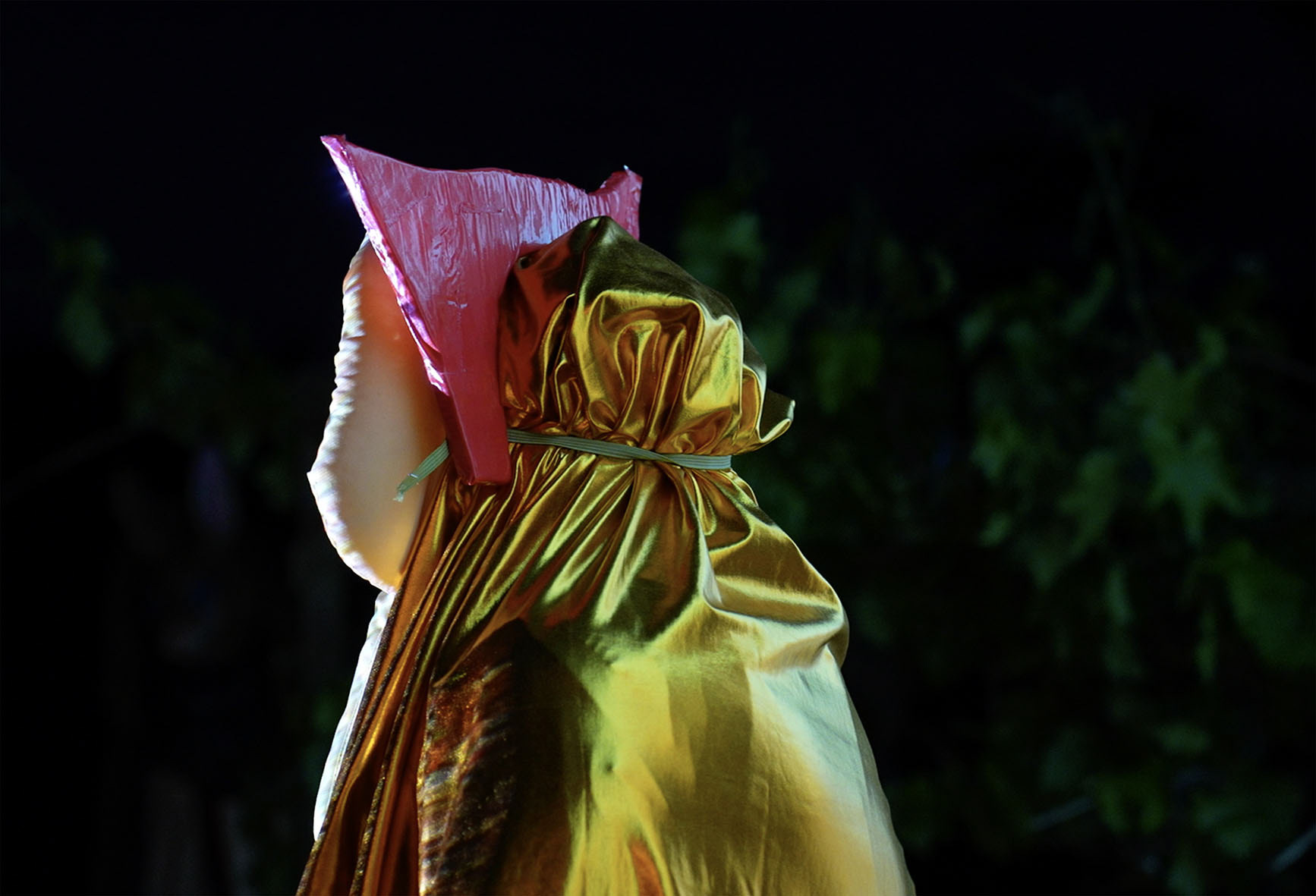
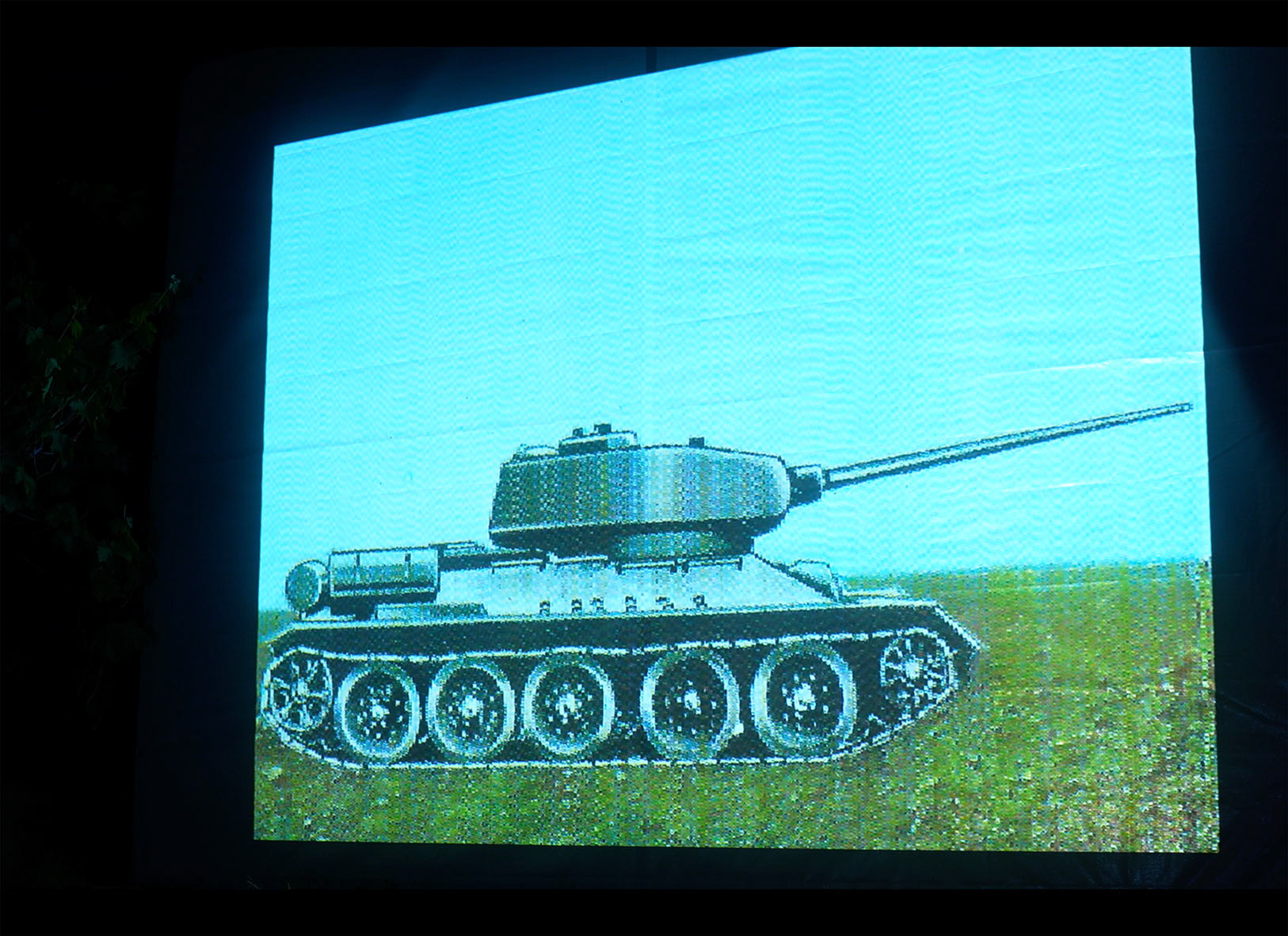
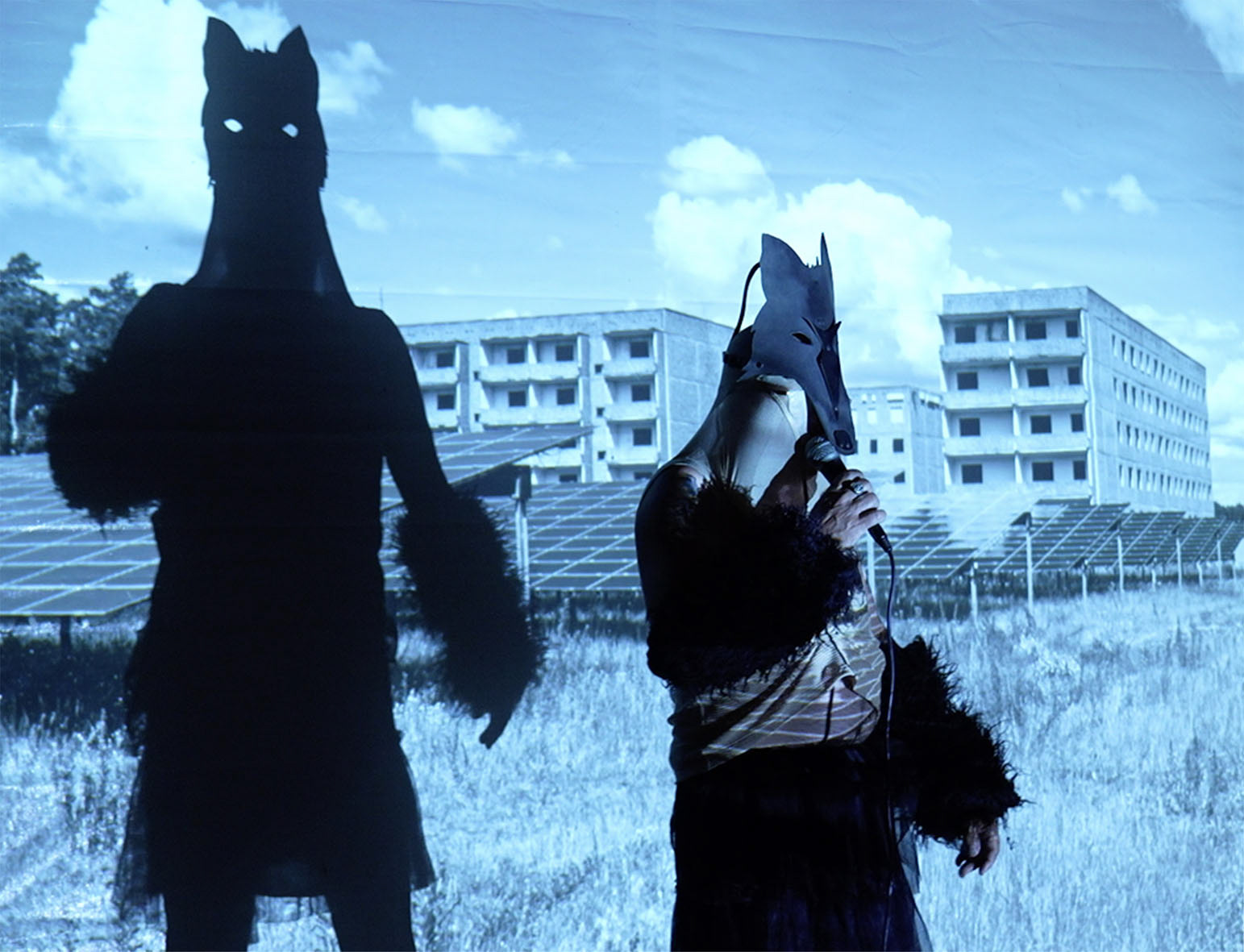
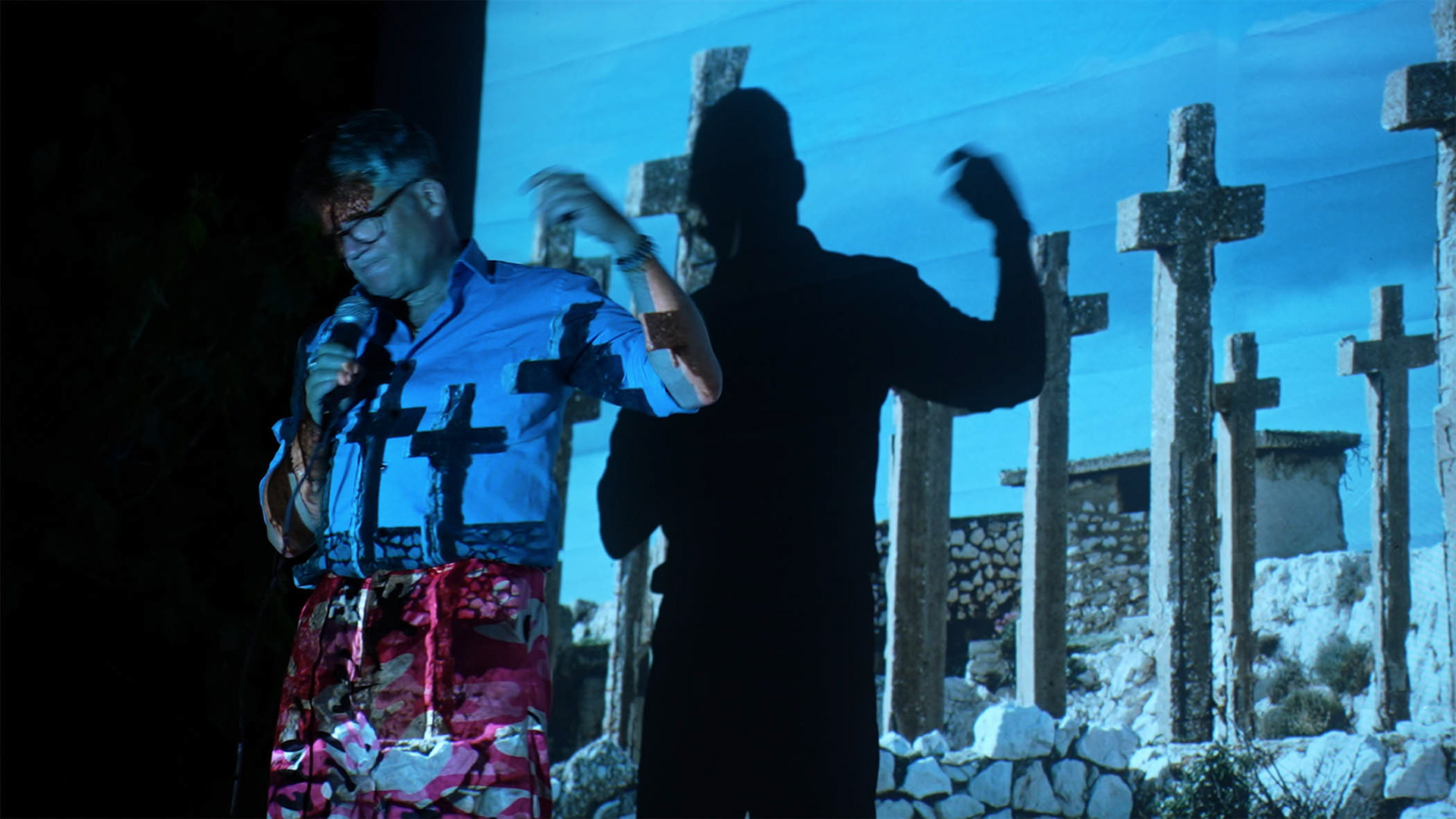
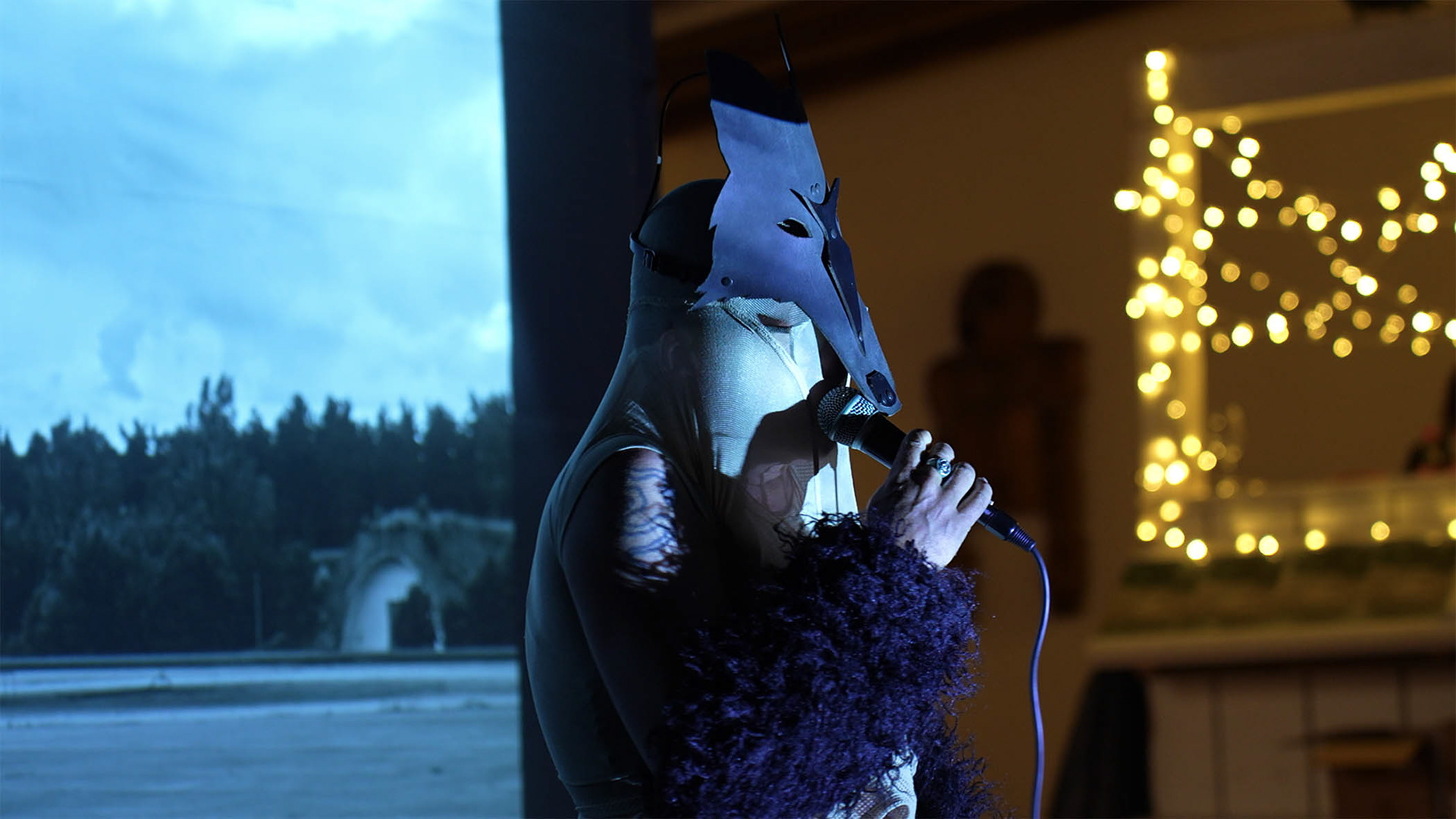
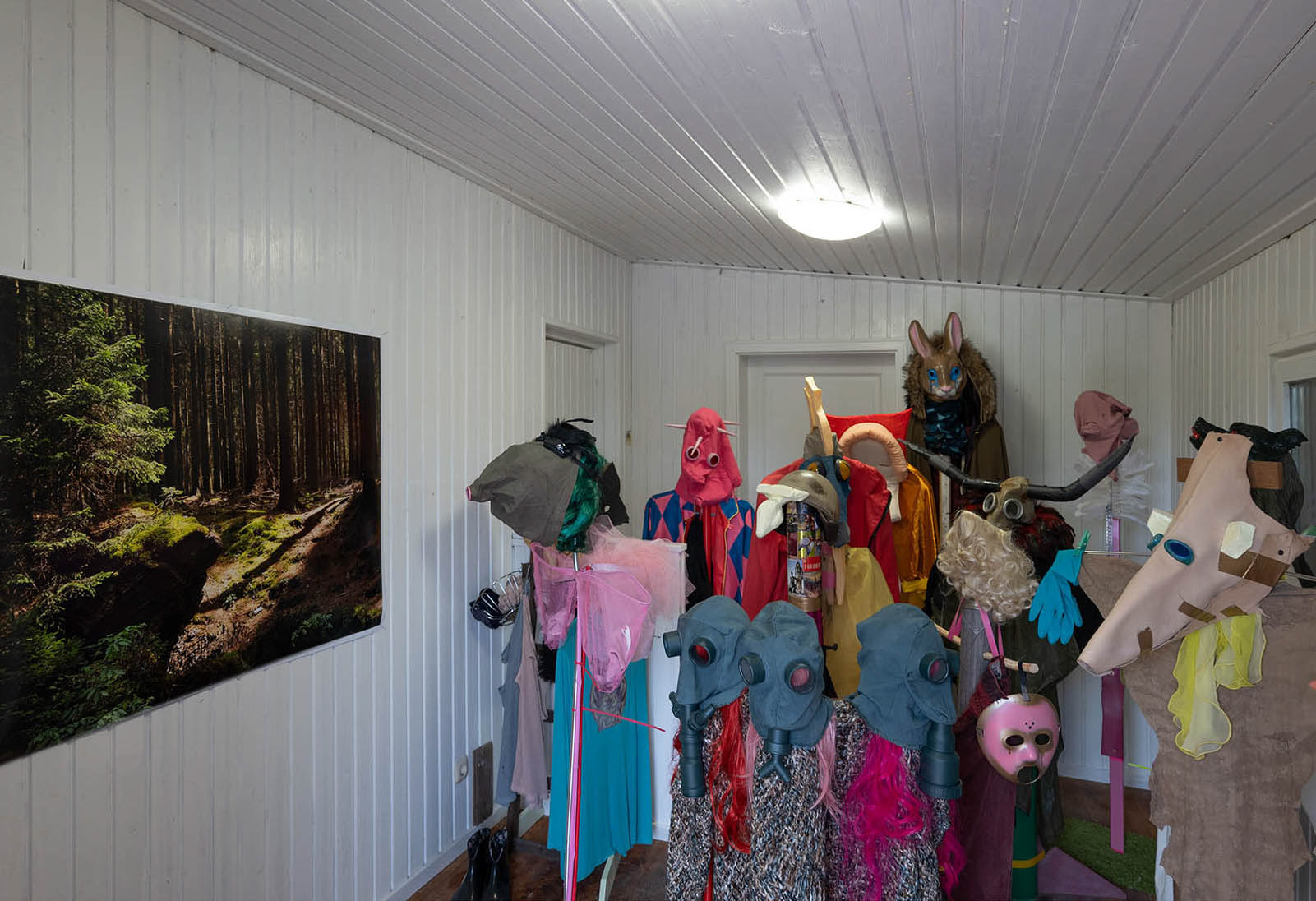
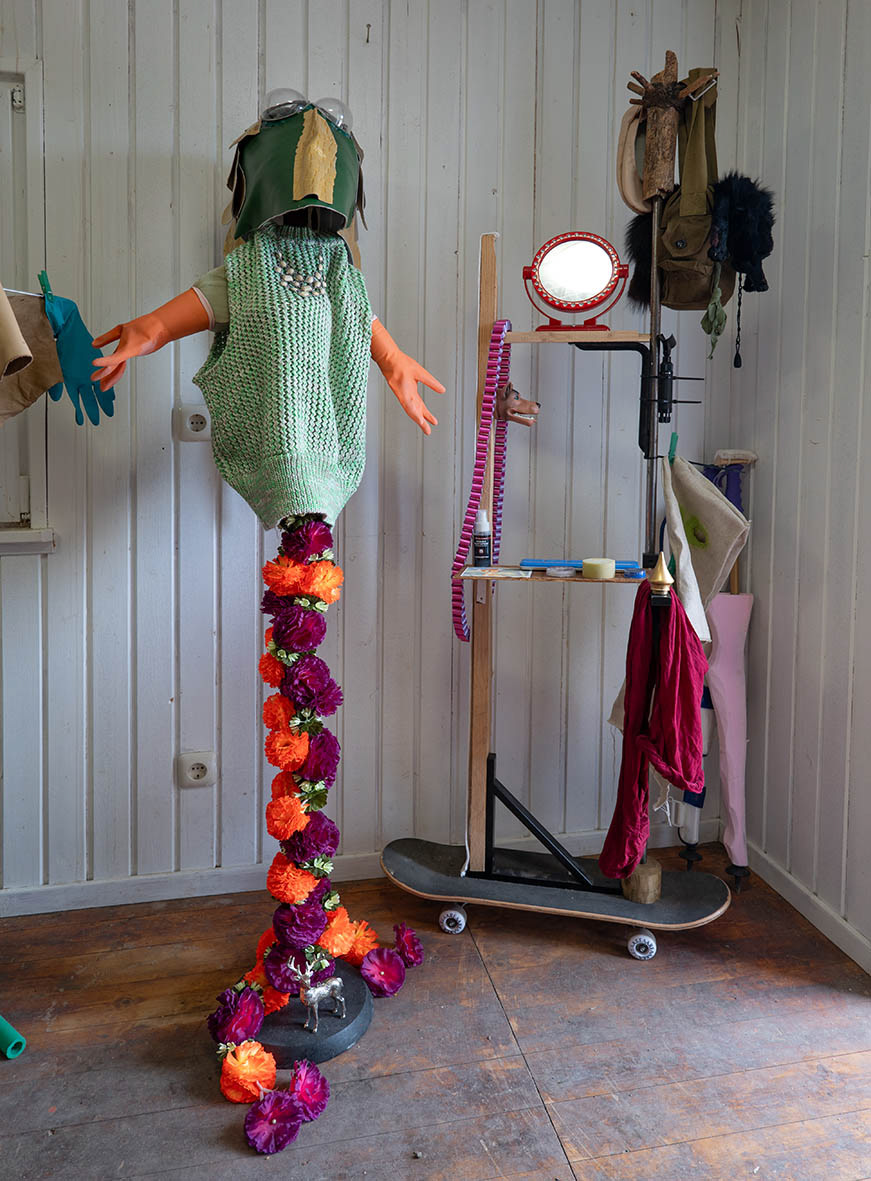
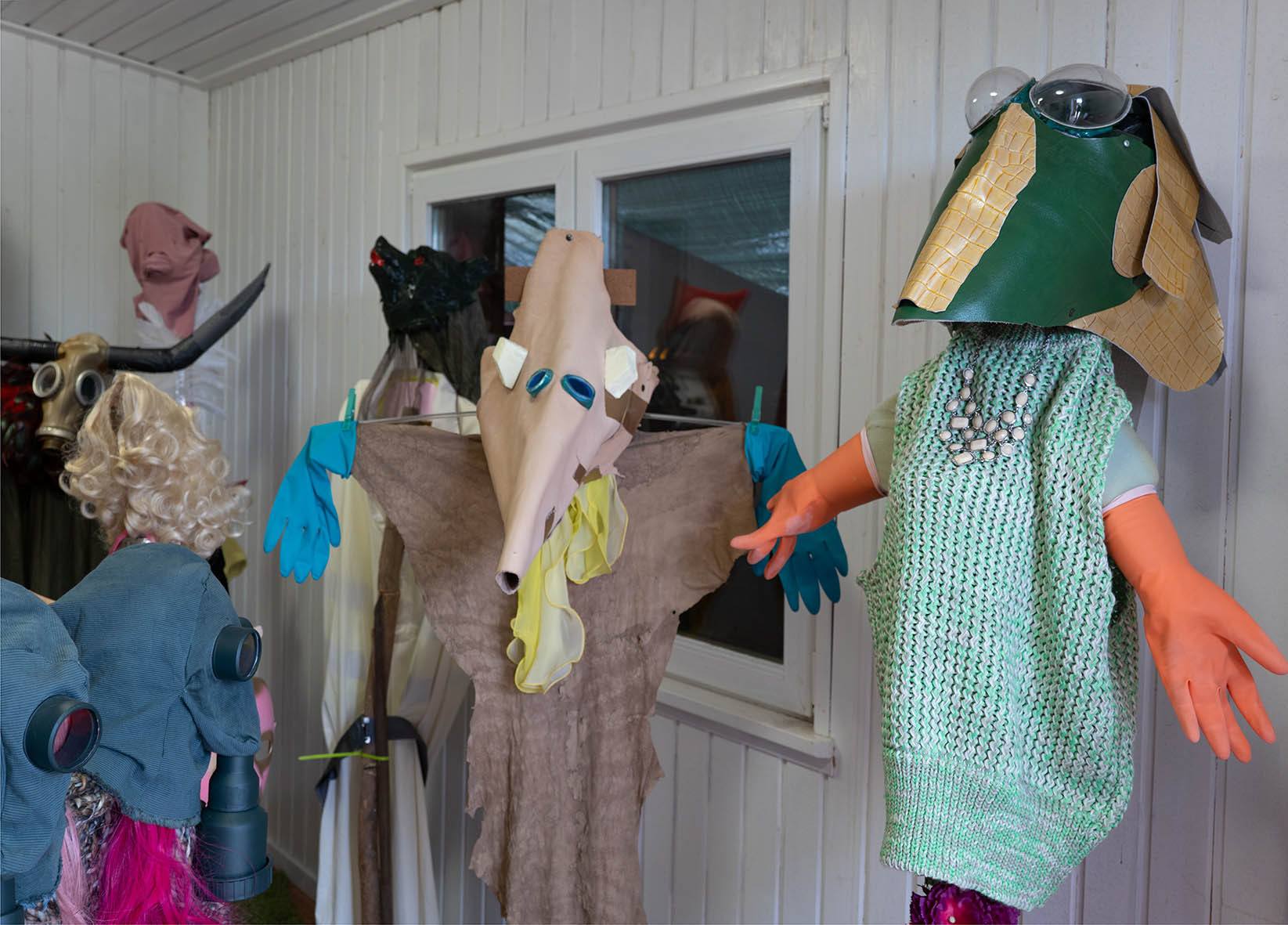
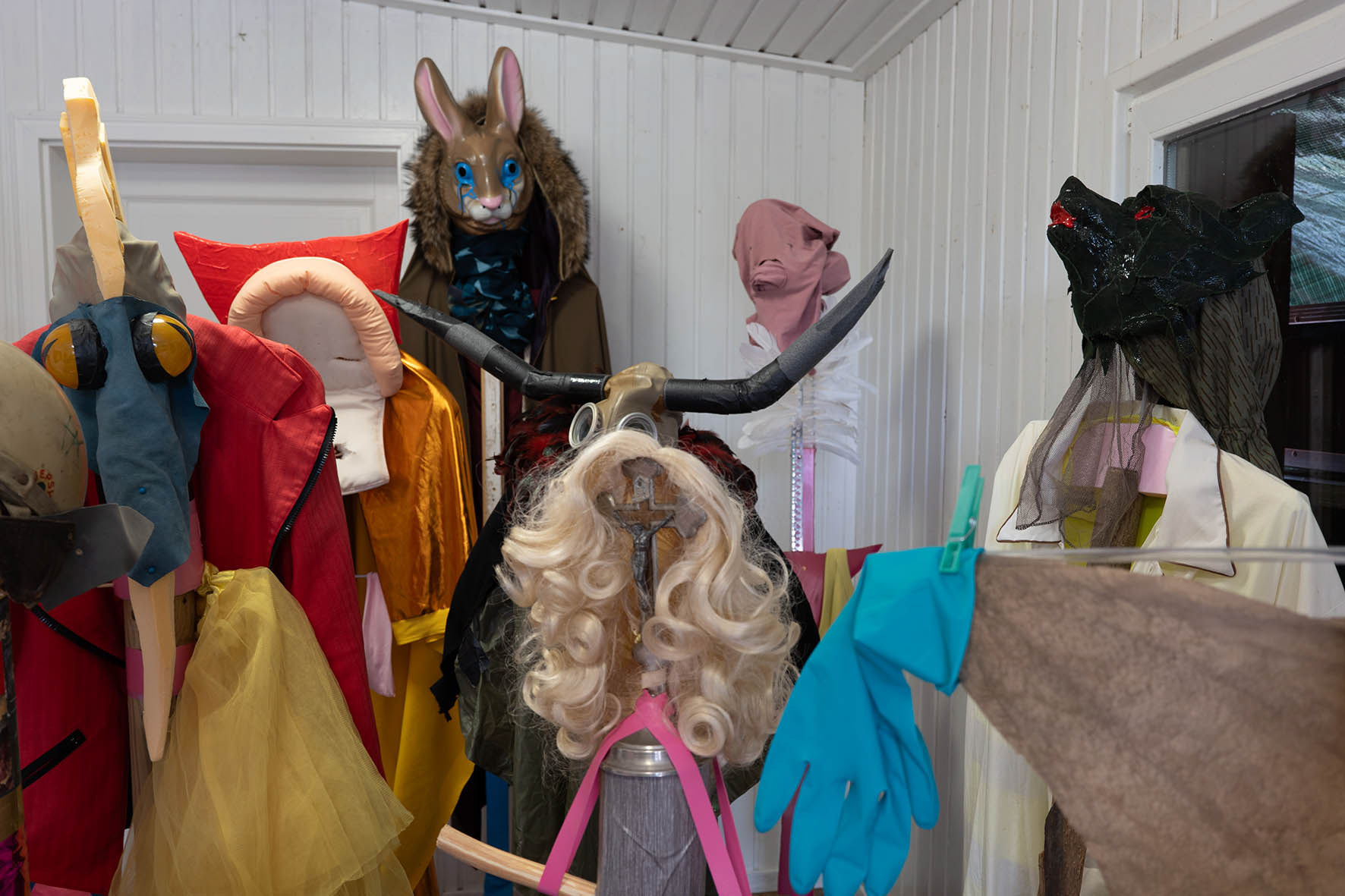
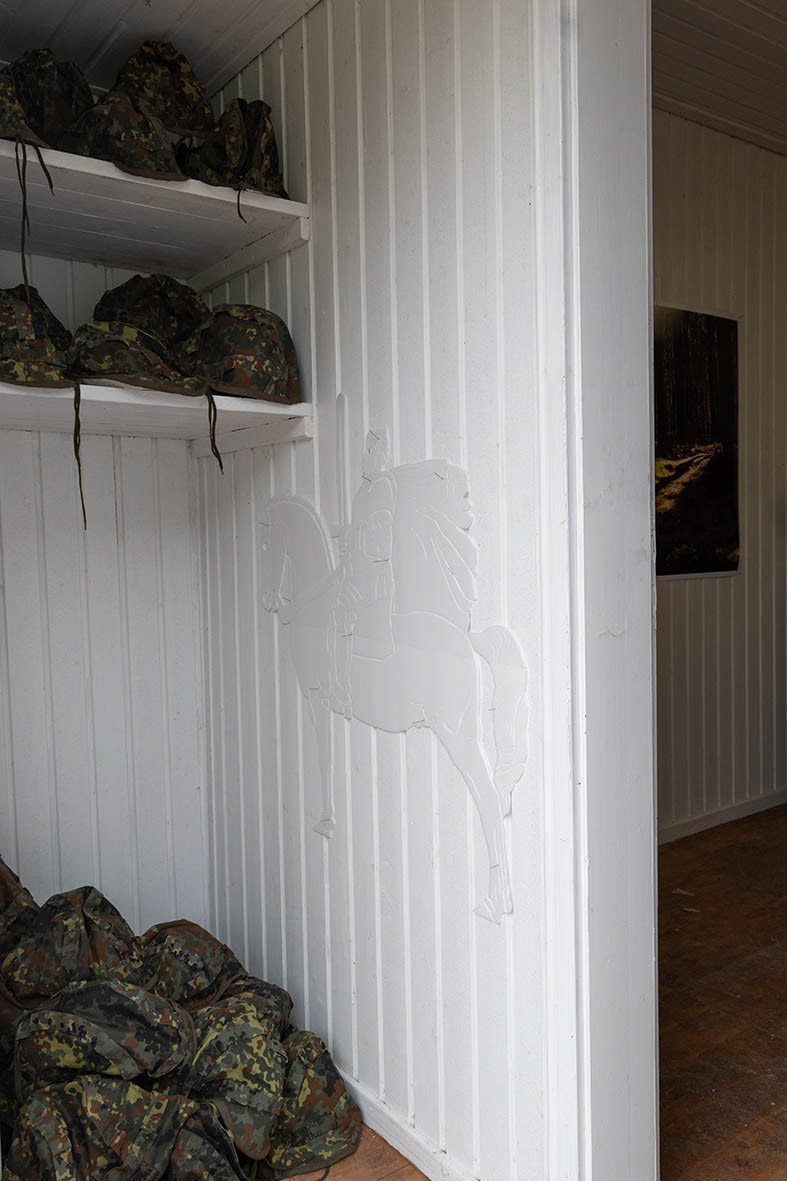
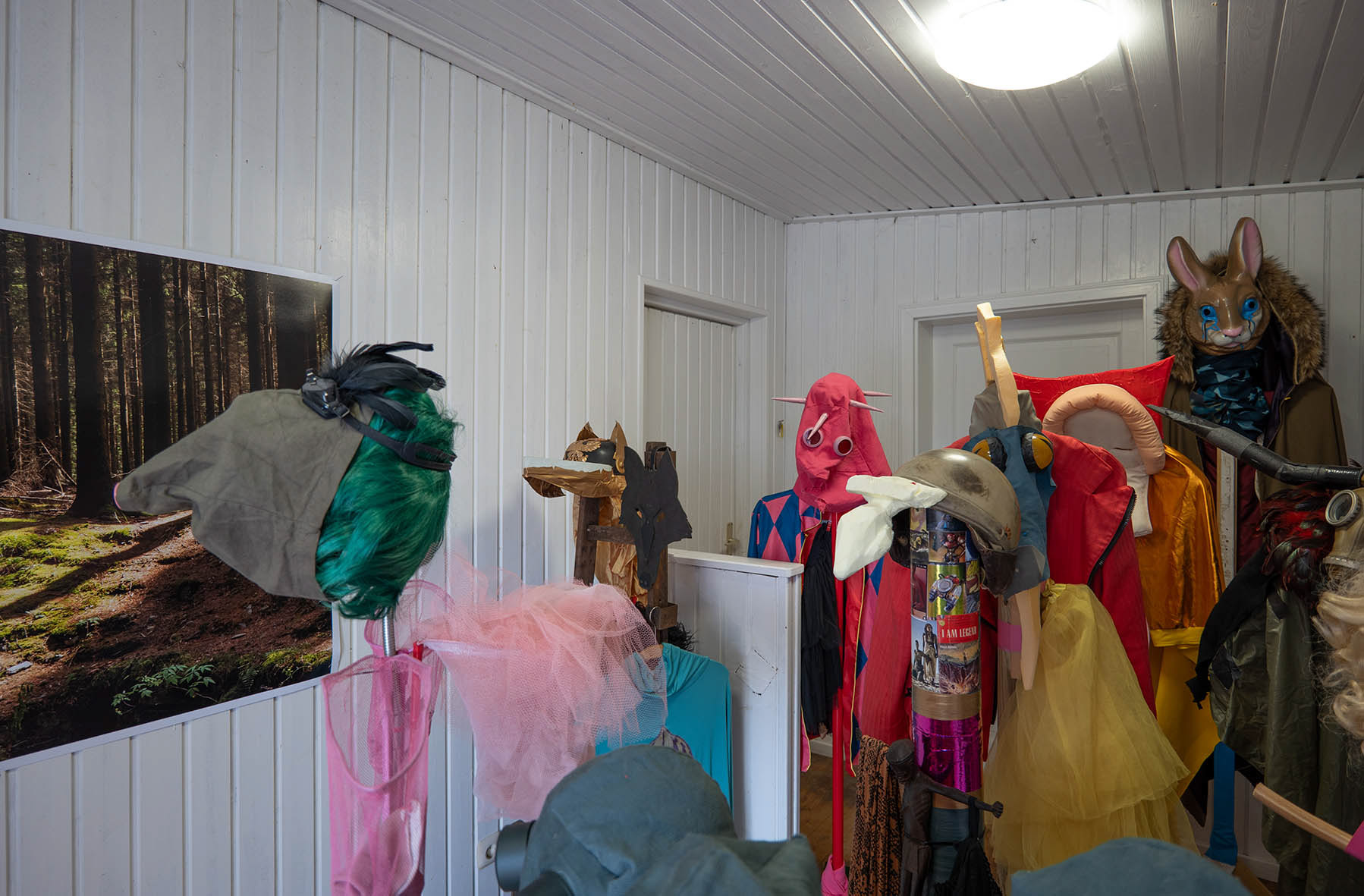
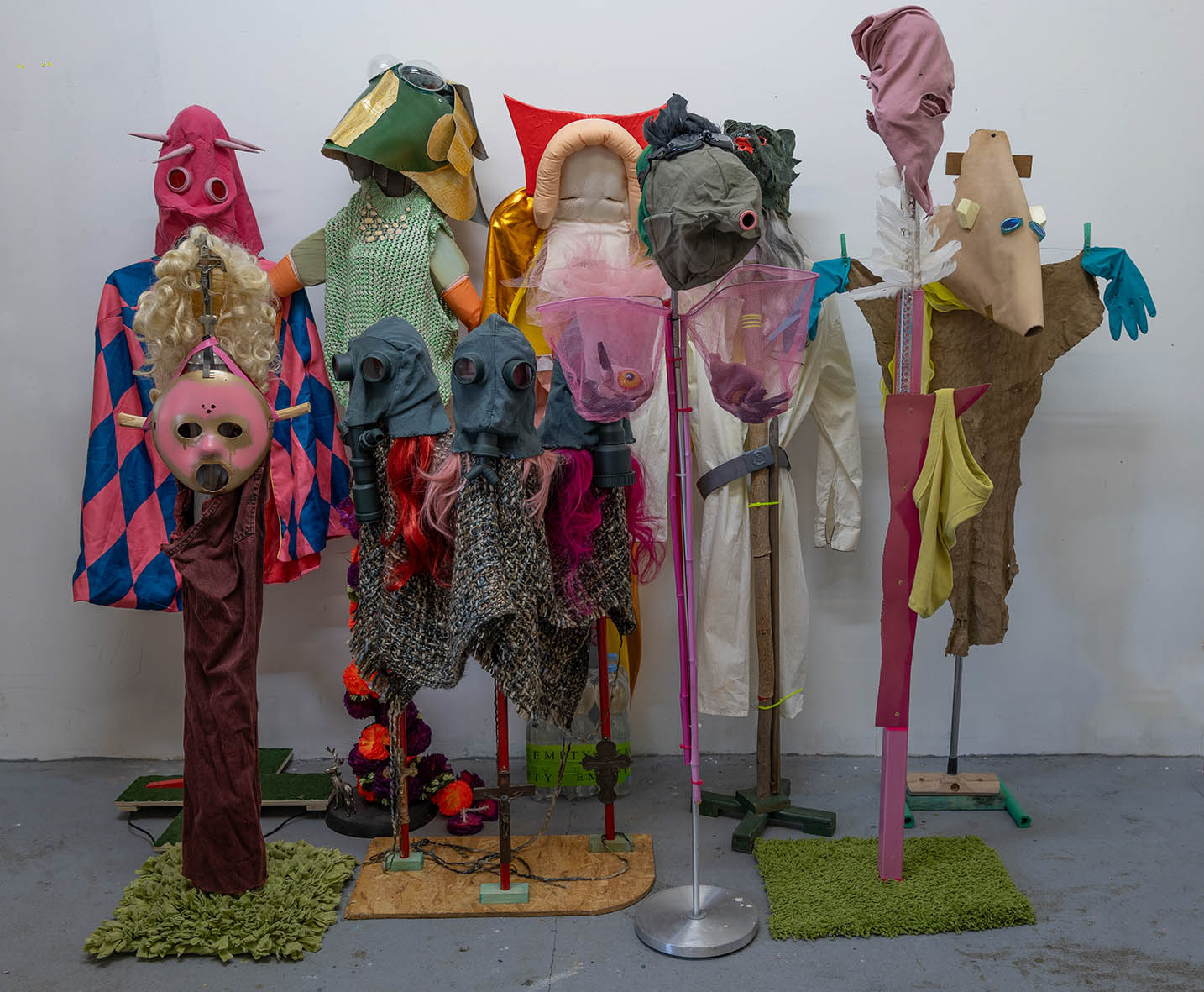
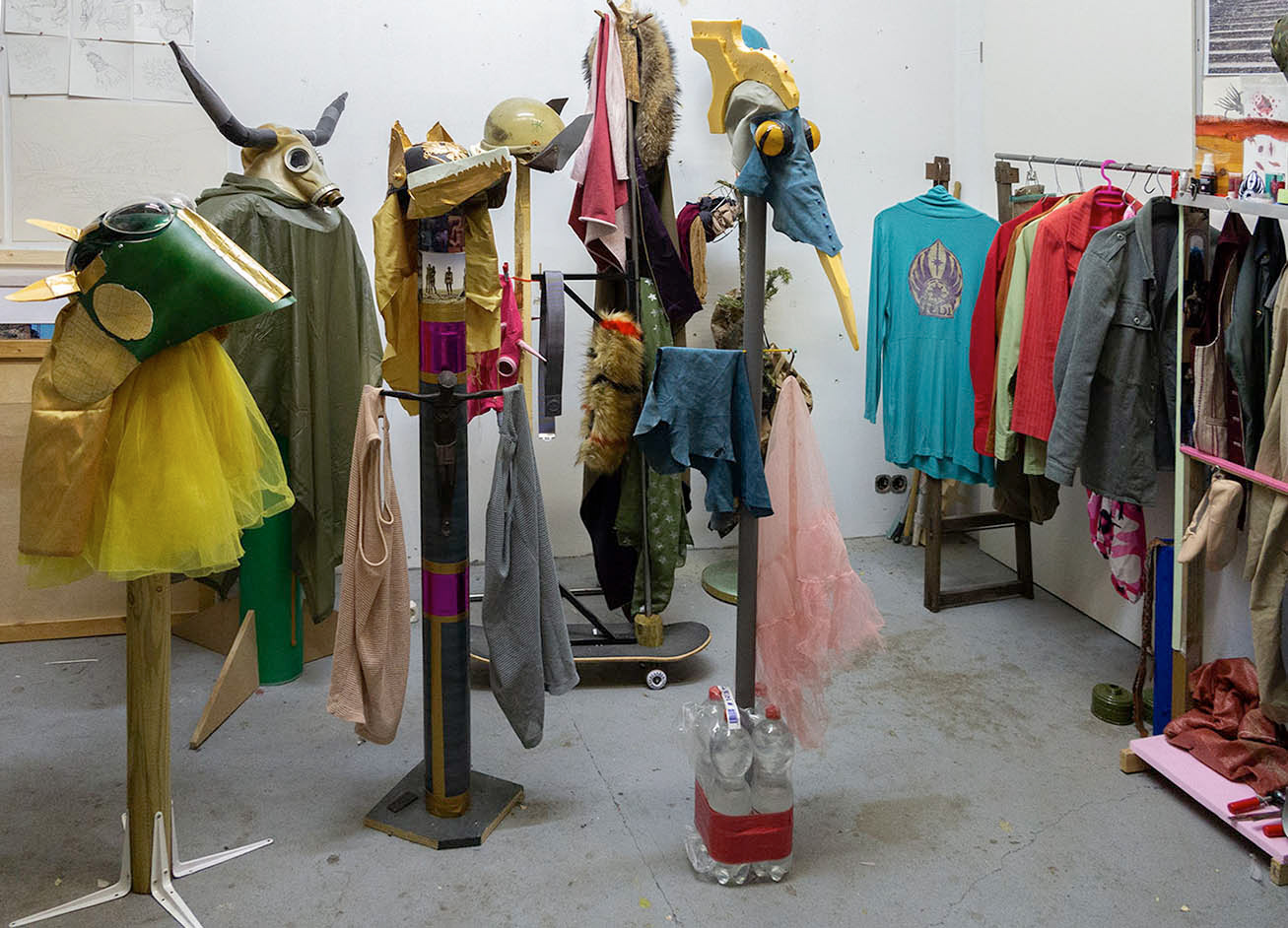
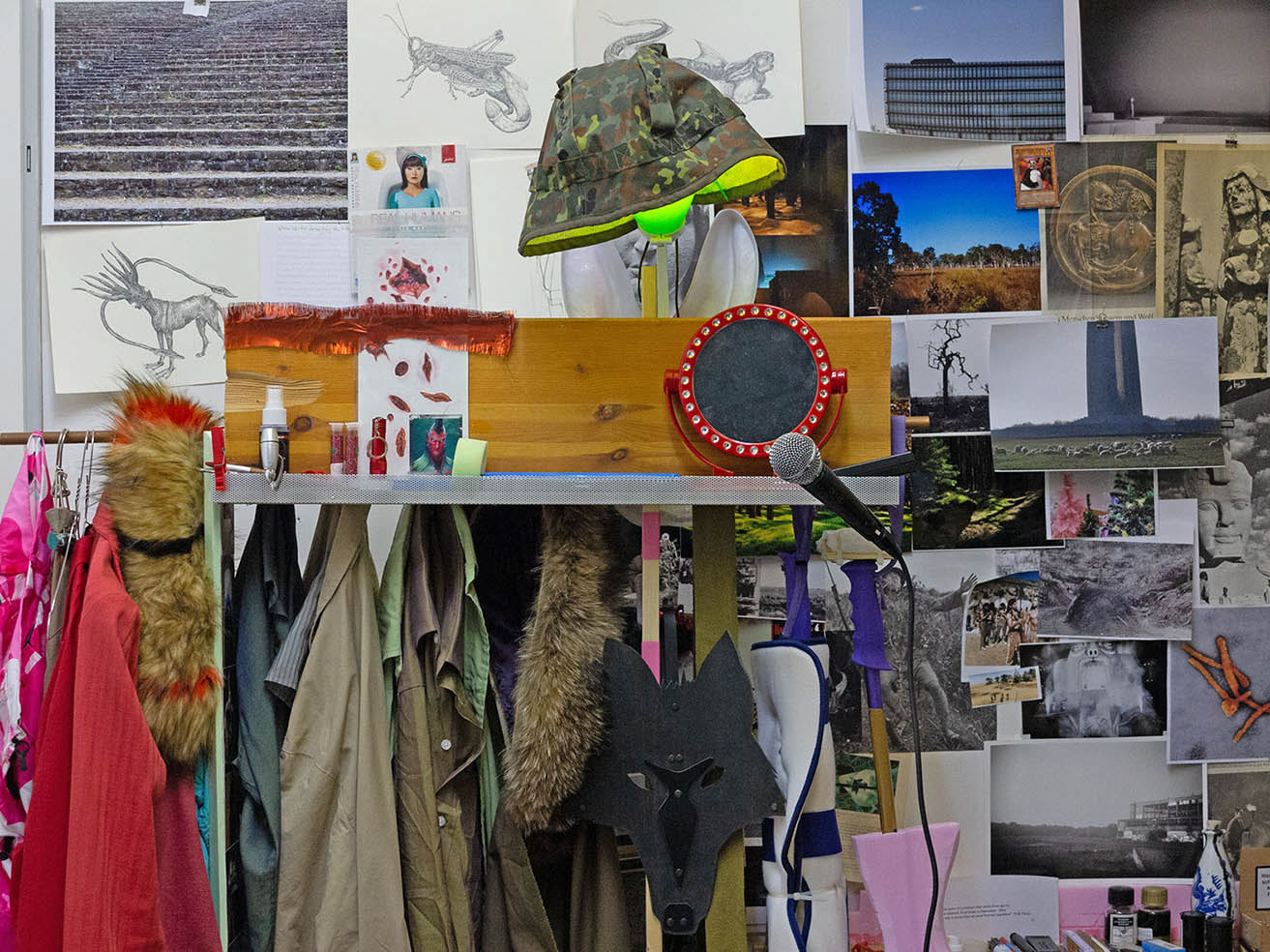
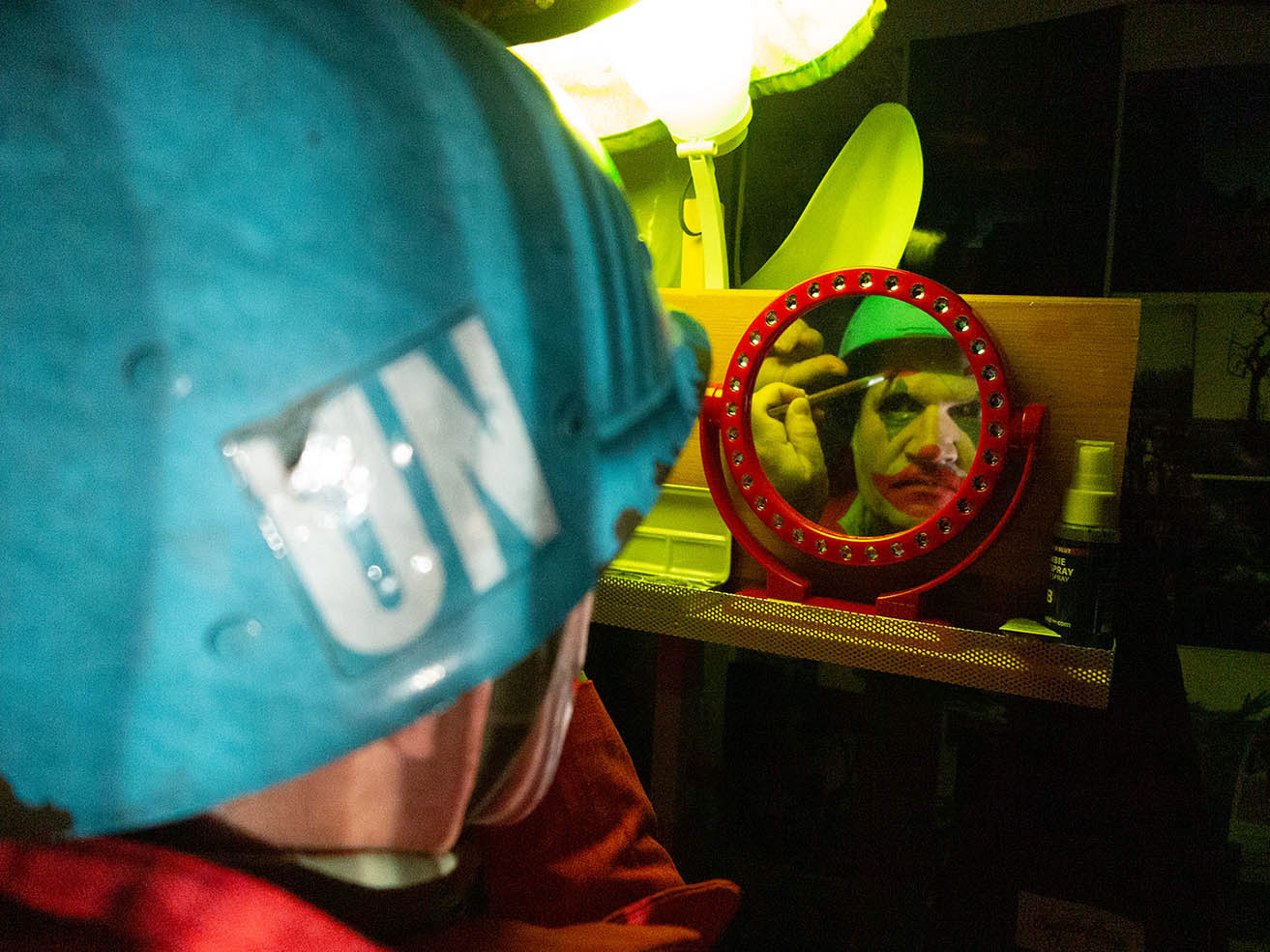
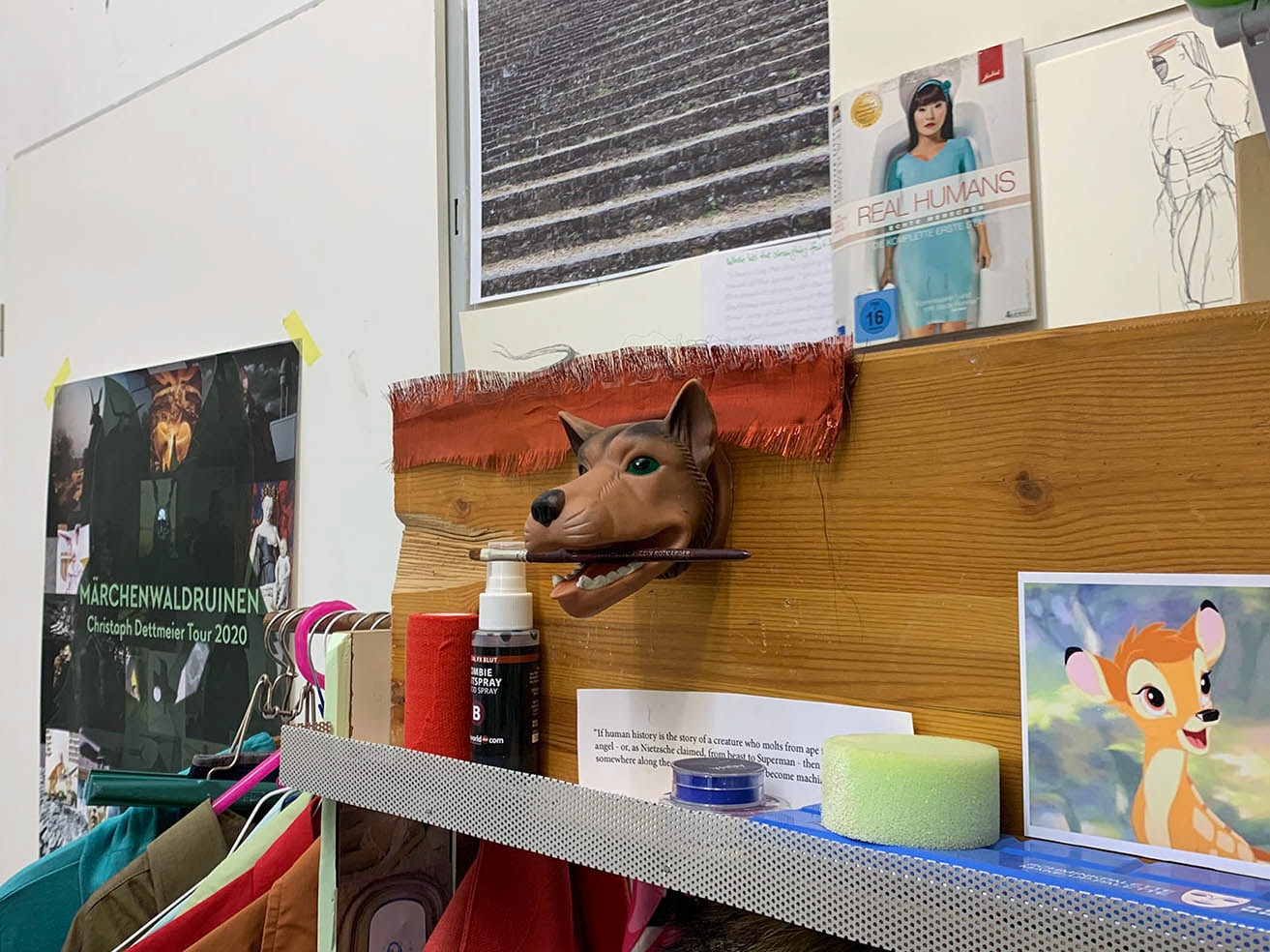
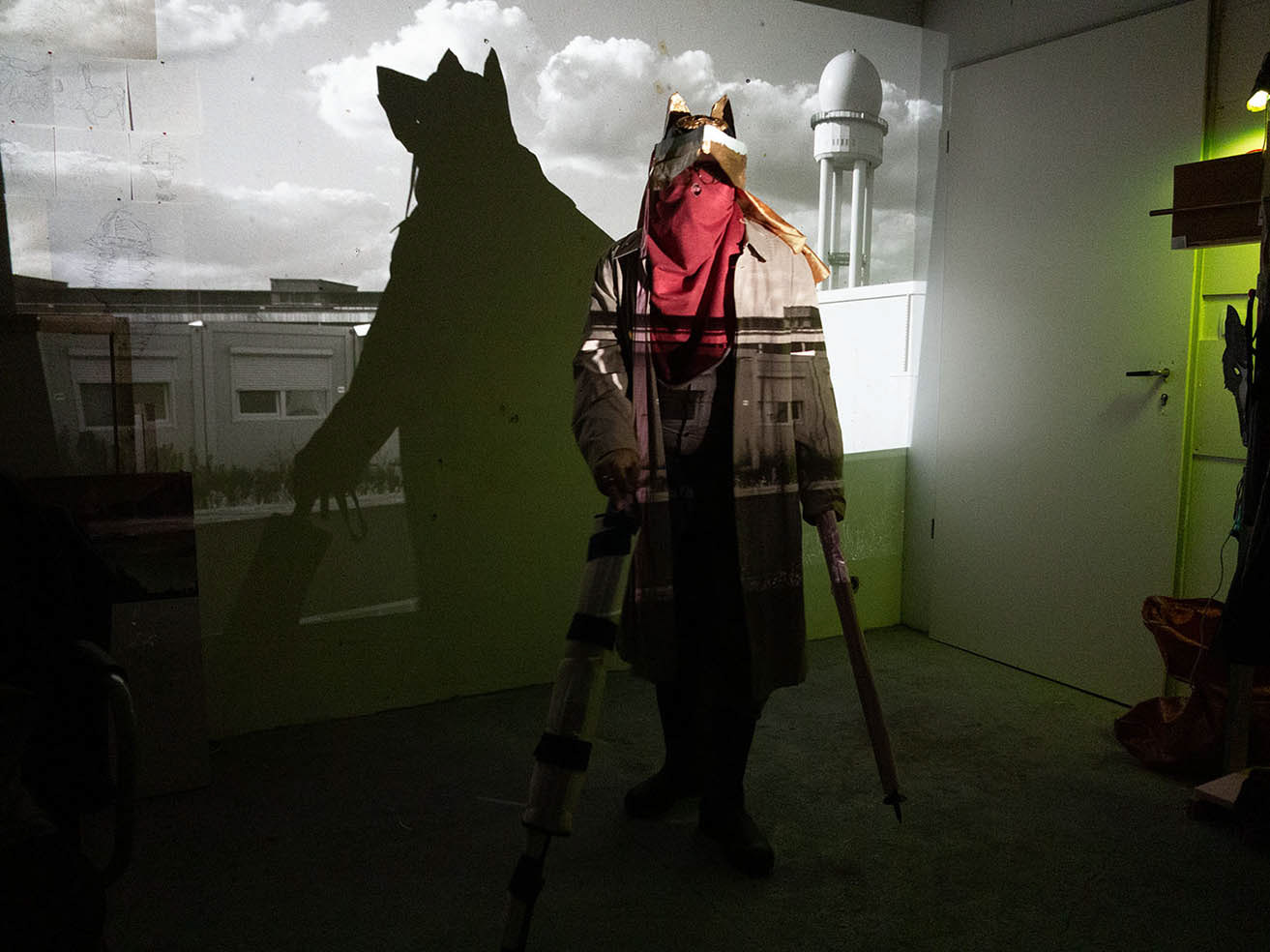
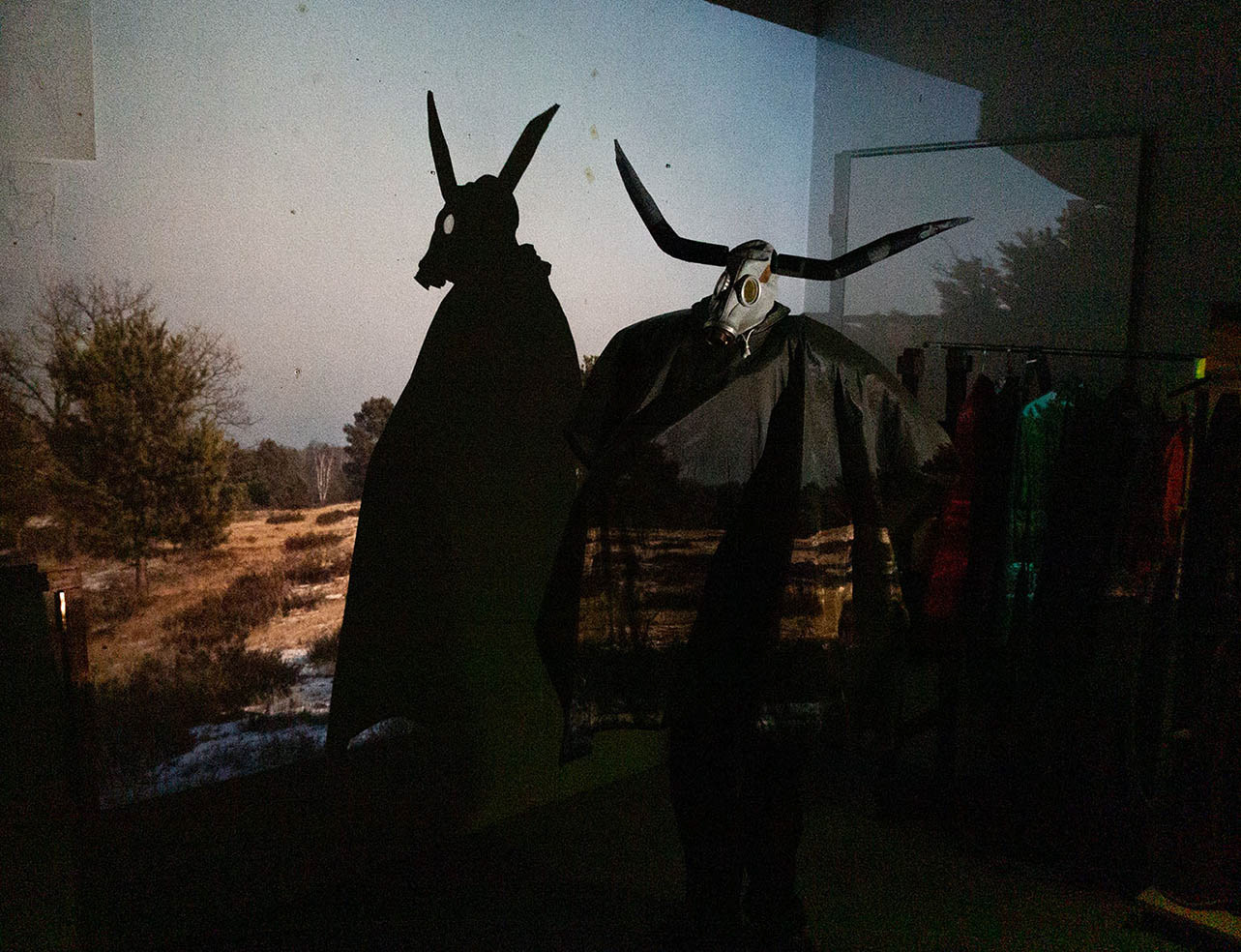
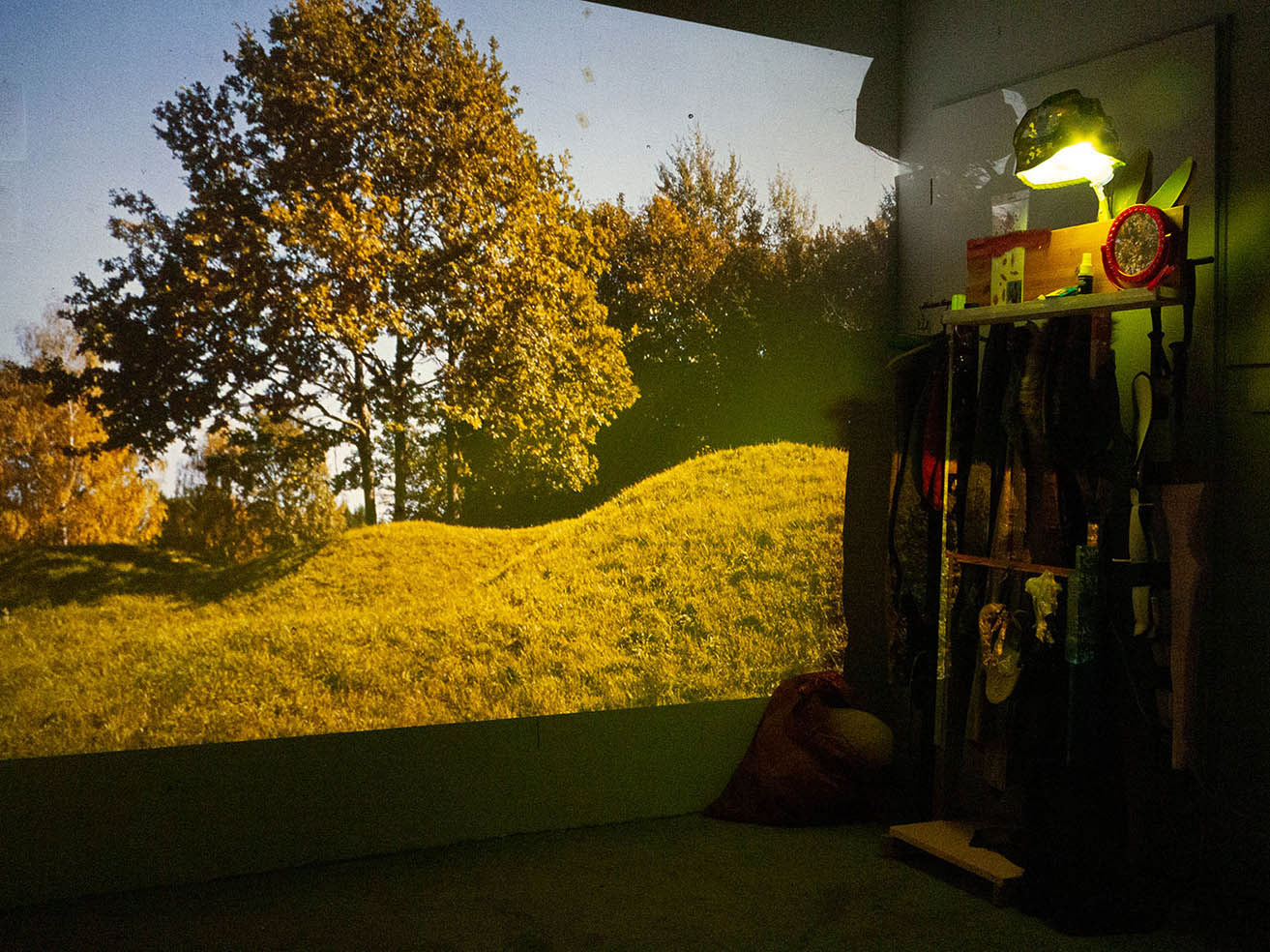
With regard to the crimes committed by the Germans under National Socialism, Hannah Arendt concludes that evil is banal. Yet the collective evil of German society, taken to its extreme, is just as elusive as the sudden return to a seemingly harmless sense of normality after 1945. But if Hannah Arendt finds it impossible, how can images of evil be possible? Especially as art can no longer seek its salvation in total abstraction; the West German compulsion towards abstraction – a result of Western post-war propaganda during the Cold War and a consequence of Nazism – is a thing of the past. In seeking to understand history and its mythologisation, my work navigates between the desire for a general historical understanding and that of my own personal connection – that is, the transgenerational transmission of trauma within the families of the perpetrator nation. The former battlefield in the forests of Hürtgenwald, also known as the ‘Verdun of the Second World War’, was my childhood playground. Trenches, craters, bunker ruins and remnants of ammunition were, back then, simply part of nature to me. No one ever explained to me the background to these landscape distortions, any more than they did the existence of the bunkers on the French Atlantic coast, where the family spent their summer holidays. As a war correspondent, Ernest Hemingway described the Hürtgenwald as a sinister landscape that the Brothers Grimm might have conjured up, only even more sinister. Himmler’s resistance mobilisation, the ‘Nazi Werewolves’, complete with a booklet containing instructions for partisans, had also left its mark. In the fairy-tale forest park in the Eifel, which I visited with my own grandparents, there was no sign of any of this as a child. But it was in this context that the artistic desire arose to further explore the demythologisation of fairy tales, which had also been misused during the Third Reich. Out of the impossibility of depicting the ultimate evil of my grandparents’ generation, the reinvention of mythological critters or their emphatic imitation might be worth a try. They embody the tabula rasa of the First World War, zombies and cyborgs, and of German fascism and the Shoah just as much as the globalised visual language of their descendants from the worlds of science fiction, fantasy and horror genres, anime, the DC and Marvel conglomerates, and so on. In contrast, German ‘Heimat’ films of the 1950s, Karl May film adaptations of the 1960s, the ‘Panzer’ card game and the ‘Der Tierfreund’ comic book series stand as products of my own (post-)fascist socialisation. They are presented in a collage-like manner alongside the figurines and costumes in the projections. Historically relevant series of images—such as forests on former battlefields—are included in this context, as is a British series of portraits of guards at the Buchenwald concentration camp. Evil is banal, but what should the images depicting it look like? Splatter orgies in computer games and films featuring Nazis as monsters and/or zombies merely serve to trivialise the subject. The occasional over-voice singing accompanying individual locations is complemented by audio collages that accompany the acts of dressing up and masking. The performance took place in the Eifel region under a full moon as part of the ‘3 Häuser Kunstpfad’ art trail on the 30th of May. In his essay ‘Speaking through Masks’, which appeared in my catalogue ‘Waitin’ Around To Die’, Jörg Heiser wrote: „(…) it is precisely in the markedly artificial, inauthentic overlapping of codes and poses that the truth shines through in an indirect mirroring—as the truth of desire, and as the truth of trauma. Rather than serving a deliberate misreading of the situation, the (Western) fantasy is what allows a confrontation with this truth.“